Building a Strong Foundation for Mutual Aid Networks

Defining Clear Objectives and Goals
At the heart of every successful mutual aid network is a set of clearly defined objectives and goals. These objectives serve as a roadmap, guiding the network's activities and ensuring that efforts align with the community’s needs. To establish effective goals, networks should engage community members in discussions to identify their most pressing needs. For example, if a community is facing food insecurity, the network might prioritize establishing a food pantry or organizing community meals.
Additionally, the SMART criteria—Specific, Measurable, Achievable, Relevant, and Time-bound—can be applied to set these objectives. For instance, a goal might be to distribute 1,000 meals within three months, which is specific and measurable, and fosters a sense of urgency and accountability among volunteers.
Establishing Trust and Transparency
Trust is a cornerstone of mutual aid networks, as participants need to feel confident that their contributions and needs will be treated respectfully. Establishing transparency about decision-making processes, financial matters, and resource allocation fosters this trust. Regular public meetings or open forums can be effective in building this trust; for instance, the San Francisco Mutual Aid Network holds bi-weekly meetings where members can voice their concerns and participate in decision-making.
Moreover, creating a shared digital space, such as a Google Drive or a dedicated website, where documents and updates are accessible to everyone can enhance transparency. This way, all members can see how resources are managed and understand the network's operations firsthand.
Creating Inclusive Participation Structures
Inclusivity is vital in mutual aid networks to ensure that all voices are heard and all community members can engage. This can be achieved by implementing various participation structures that accommodate different schedules and preferences. For example, some members may prefer to contribute through hands-on volunteering, while others might be able to help with administrative tasks or fundraising.
Creating smaller working groups within the network can also help. These groups can focus on specific areas such as outreach, resource management, or event planning, allowing members to engage in ways that suit their skills and interests. Additionally, providing language support or translation services can ensure that non-English speakers can participate meaningfully in the network's activities.
Effective Communication Strategies for Engagement
Utilizing Multiple Communication Channels
Effective communication is essential for the success of mutual aid networks. Utilizing multiple channels—such as social media platforms, newsletters, and community boards—ensures that information reaches a wider audience. For instance, the New York City Mutual Aid Network uses platforms like Facebook, Instagram, and WhatsApp to disseminate information quickly and efficiently.
Moreover, the choice of communication tools can vary based on the target audience. While younger members may prefer social media, older community members might respond better to traditional newsletters or flyers. Therefore, a multi-channel approach can cater to diverse demographics and improve overall engagement.
Fostering Open Dialogue and Feedback
Creating an environment where open dialogue is encouraged can significantly enhance member engagement and satisfaction. This can be achieved by regularly soliciting feedback on various initiatives and allowing members to express their thoughts freely. For example, using anonymous surveys can provide insights into members' experiences and suggestions without the fear of judgment.
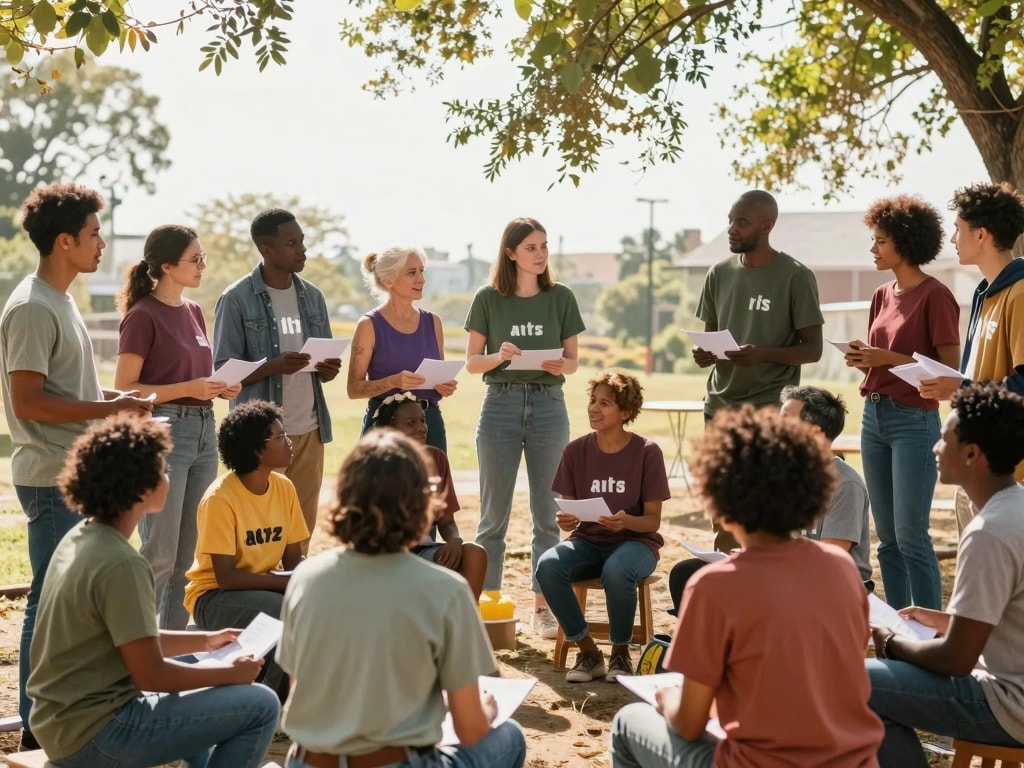
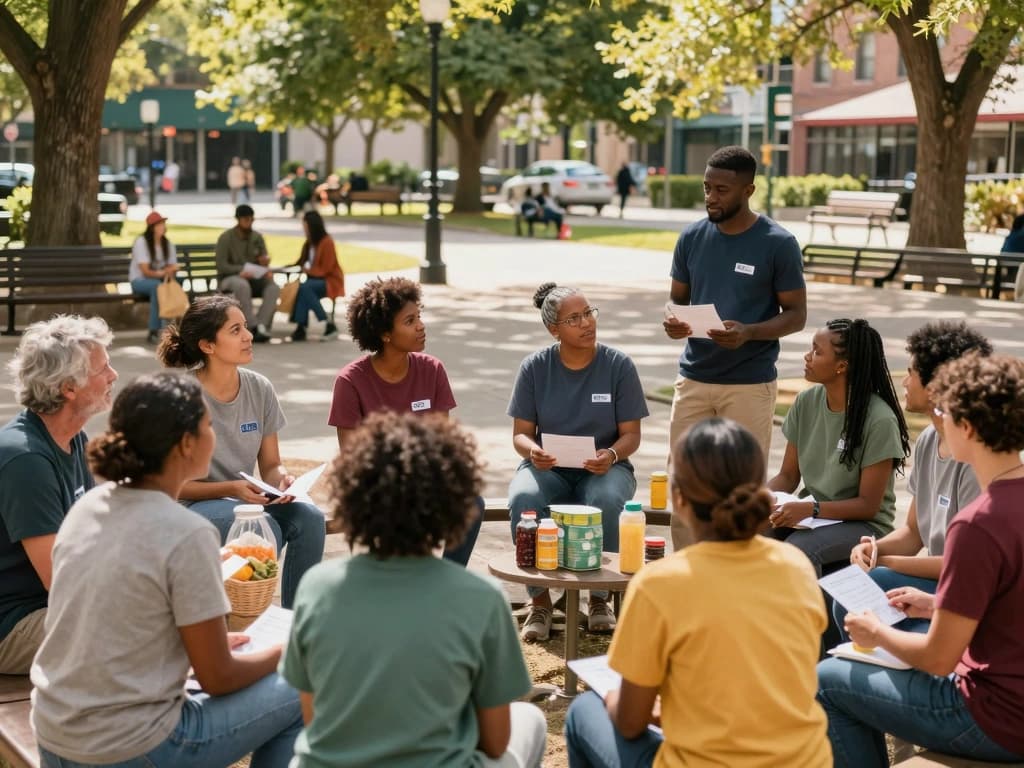
Another effective strategy is to host regular “community circles” or discussion groups where participants can share their experiences, challenges, and ideas. These gatherings not only foster a sense of belonging but also serve as a valuable platform for generating innovative solutions to common problems.
Implementing Regular Updates and Check-ins
Regular updates and check-ins keep members informed about the network's progress and upcoming initiatives. This can be done through weekly newsletters, social media updates, or community meetings. For example, the Chicago Mutual Aid Network sends out a weekly newsletter summarizing their activities, upcoming events, and volunteer opportunities, helping to maintain engagement and accountability.
Additionally, one-on-one or small group check-ins with volunteers can help gauge their satisfaction and commitment levels, ensuring that they feel valued and supported. This practice can also identify potential burnout early, allowing for timely interventions.
Resource Management and Allocation Practices
Assessing Community Needs and Resources
Effective resource management begins with a thorough assessment of the community's needs and the resources available to meet those needs. Conducting community surveys, holding focus groups, or collaborating with local organizations can provide valuable insights into what specific resources are lacking. For instance, the Baltimore Mutual Aid Network conducted a needs assessment survey that revealed a significant demand for mental health services, leading them to establish partnerships with local therapists.
Additionally, mapping community resources helps identify available assets, such as skills, tools, or spaces, which can be leveraged to meet identified needs. This not only enhances the network’s efficiency but also fosters a sense of ownership among community members.
Developing Transparent Resource Distribution Methods
Transparency in resource distribution methods is crucial for maintaining community trust and ensuring that aid reaches those who need it most. Developing a clear, standardized process for resource allocation can help achieve this goal. For example, the Seattle Mutual Aid Network uses a point system to prioritize aid based on urgency and need, allowing members to understand how decisions are made.
Additionally, implementing a tracking system—such as a shared spreadsheet or an app—can help monitor resource distribution and ensure accountability. This type of system allows members to see what resources are available, who has received assistance, and what gaps still exist.
Encouraging Community Contributions and Skills Sharing
Mutual aid networks thrive on community contributions, and fostering a culture of sharing skills and resources can enhance the overall effectiveness of the network. Encouraging members to share their skills—whether through workshops, classes, or one-on-one mentorship—can build community capacity and resilience. For example, the Atlanta Mutual Aid Network hosts skill-sharing events where members can teach each other sewing, cooking, or budgeting skills, empowering participants in multiple ways.
Additionally, creating a community resource library, where members can borrow tools, equipment, or educational materials, can further promote sharing and collaboration. This not only reduces individual costs but also strengthens community bonds.
Training and Empowerment of Volunteers
Providing Skills Development Workshops
Training is paramount in empowering volunteers to take on roles effectively within mutual aid networks. Providing skills development workshops can equip volunteers with the knowledge they need to contribute meaningfully. Topics may include first aid, conflict resolution, and community organizing. For example, the Los Angeles Mutual Aid Network offers regular workshops covering everything from food safety to public speaking, ensuring that volunteers feel confident in their roles.
Offering certifications for completed workshops can also motivate volunteers to participate and enhance their resumes, creating a win-win situation for both the network and its members.
Establishing Leadership Roles within the Network
Developing leadership roles within a mutual aid network fosters a sense of responsibility and ownership among volunteers. Clearly defined roles—such as coordinators, outreach specialists, and financial managers—can help distribute workload and empower individuals to take initiative. The Denver Mutual Aid Network, for instance, has established specific leadership committees focused on areas like logistics and community outreach, allowing members to hone specialized skills while contributing to the network's success.
Encouraging mentorship within these roles can further strengthen leadership development. Experienced members can guide newcomers, fostering a culture of support and collaboration.
Encouraging Peer Support and Mentorship
Peer support and mentorship are essential components of volunteer empowerment. Creating a buddy system where experienced volunteers pair up with newcomers can help ease the transition into active participation. This peer support not only provides guidance but also fosters camaraderie and reduces feelings of isolation, which can be particularly important in challenging times.
Moreover, recognizing and celebrating volunteers’ contributions can enhance motivation and retention. For example, hosting appreciation events or highlighting volunteer achievements in newsletters can create a positive environment that encourages ongoing participation.
Measuring Impact and Adapting Practices
Setting Metrics for Success and Evaluation
Evaluating the effectiveness of mutual aid networks is essential for continuous improvement. Establishing clear metrics for success—such as the number of people served, resources distributed, or community events held—allows networks to assess their impact objectively. For instance, the Portland Mutual Aid Network tracks their activities using a dashboard that highlights key performance indicators, providing a clear picture of their successes and areas for growth.
Additionally, utilizing qualitative metrics—such as testimonials or community satisfaction surveys—can provide deeper insights into the network's impact and areas that may need adjustment.
Gathering Feedback for Continuous Improvement
Regularly gathering feedback from community members and volunteers can help identify strengths and weaknesses within the network. This feedback can be collected through surveys, focus groups, or informal check-ins. For example, the Austin Mutual Aid Network conducts quarterly evaluations to gather input from participants, which informs their planning and operations moving forward.
Creating an open dialogue about successes and challenges helps foster a culture of continuous improvement and adaptability, ensuring that the network remains responsive to community needs.
Adapting Strategies Based on Community Feedback
Adaptability is crucial for the longevity and effectiveness of mutual aid networks. Utilizing feedback to inform strategic changes can help networks stay relevant and effective. For instance, if feedback indicates a need for more mental health resources, the network could pivot its focus to include partnerships with local mental health organizations or training sessions for volunteers on mental health first aid.
Moreover, staying attuned to larger societal changes—such as shifts in economic conditions or public health crises—can help networks proactively adjust their strategies to meet emerging needs. The COVID-19 pandemic, for example, prompted many mutual aid networks to expand their services to include grocery delivery and remote support services, showcasing the importance of being flexible and responsive.